When my husband and I got married, we knew we had some financial goals we wanted to meet pretty quickly.
Together we had six figures of debt, and we knew we wanted to pay that off as soon as possible. Thinking about making these student loan payments twenty years from now sounded miserable, so we settled on a payoff timeline of about seven years.
We also had some big purchases we knew we wanted to save for. We also had plans to give up our apartment and buy an RV so we could travel the country in it.
We also knew we wanted to buy a home when we got back to Wisconsin, so we wanted to start preparing for that early.
So I guess you could say we’ve got an expensive few years ahead of us.
The best way for us to aggressively pay down our debt and save for our financial goals at the same time has been to increase our income.
$1,000 in extra income per month can go a long way!
In this post, I’m sharing how you can make an extra $1,000 a month to start tackling your financial goals.
There are affiliate links in this post, meaning I may make a small commission at no additional cost to you. For more information, see my full disclosure policy here.
Why is it good to make extra money?
How many times have you read a personal finance book or blog post that said you should stop buying lattes or start clipping coupons to reach your financial goals?
Yeah, it might not be terrible advice, and those things can help you to save a few dollars here and there. But are you really going to pay off your student loans or buy your dream house by saving a few dollars here and there? Probably not.
Rather than ruthlessly cutting small things from our budget, my husband and I have found the best way to reach our financial goals is to make more money.
After all, we really wanted to be able to aggressively pay off debt while also enjoying live music and eating out since those are our favorite things to spend money on.
Making an extra $1,000 a month can make a huge difference in helping you to reach your goals.
With $1,000 extra income per month, you could pay off your student loans in just a few years rather than the 10-20 years it’s scheduled to take.
With $1,000 extra income per month, you could save the downpayment for your dream home in just a few years.
With $1,000 extra income per month, you could take an amazing vacation every year and still have enough to save aggressively for retirement.
I’m telling you, making extra money is the secret you’ve been looking for!
What are the best ways to make extra income?
When you first think about it, $1,000 sounds like a lot of money. And don’t get me wrong, it’s definitely more than spare change.
But when you do the math to figure out exactly what you have to do to hit that number, it’s actually not as hard as you’d think!
An extra $1,000 could be:
25 hours per week at $10 per hour
10 hours per week at $25 per hour
$250 from four freelance clients each
10 online courses sold for $100 each
8 musical lessons taught for $125 each
START A BLOG
I can honestly say that starting a blog was one of the best decisions I’ve ever made. Not only is it something that I genuinely enjoy doing, but it is also an amazing way to bring in additional income every month.
There are plenty of different ways to make money blogging depending on what interests you. You could make money through affiliate marketing, sidebar ads, working with companies on sponsored blog posts, or selling your own digital products like eBooks and online courses.
You can start your own blog or niche site on just about anything. I’ve seen successful blogs in just about every niche you could think of. As long as someone out there is interested in it, you’ve got a potential audience.
And for what it’s worth, I was able to launch my tiny personal finance blog into a six-figure freelance writing business.
BECOME A FREELANCER
When you work as a freelancer, you’re an independent contractor providing a particular service to another person or company.
If you’ve got a specific skill set to be a freelance writer, graphic designer, or social media manager, you can find work as a freelancer online.
In 2018, in addition to running my blog, I started picking up freelance writing clients. In just a little over a year, I was able to take my freelance writing income from just a few hundred dollars here and there to $10,000 per month.
My favorite resource to get started with freelance writing is the online course Earn More Writing. In this course, six-figure freelance writer Holly Johnson teaches you how to get started with freelance writing and make serious money online.
START A YOUTUBE CHANNEL
We’re living in an increasingly visual world, so it’s not surprising that video continues to become a bigger and bigger deal every year.
And while it might seem like it’s too late to start a YouTube channel (hasn’t it all been done already??), there’s definitely still room for anyone who has something unique to bring to the table.
Certain niches tend to really go hand in hand with video, but honestly, people have been successful on video in just about every niche!
If YouTube sounds right for you, I recommend finding an online course on video and editing. With so much competition out there, people really expect high-quality videos.
Start sharing your creations with the world, and before you know it, you’ll start bringing in extra money.
BECOME A VIRTUAL ASSISTANT
One of the awesome things about the rise of online businesses is that it’s created an entirely new career — Virtual assistants.
A virtual assistant (aka a VA) is an independent contractor that provides administrative services for online clients.
Plenty of online business owners hire VAs to help them in all areas of their business. Some do really basic administrative tasks like responding to emails, while others might have a more narrow specialty, like running someone’s Pinterest account or doing all of their social media scheduling.
You can find VA jobs on just about any job board these days. You can also join Facebook groups for business owners and find anyone looking for VA services.
START A SERVICE-BASED BUSINESS
Plenty of people make extra cash by offering services to people in their community. If you have a talent, chances are other people are willing to pay you for it.
For example, the photographer my husband and I hired for our wedding actually does that as a side gig, and she has a different job she works as her full-time job.
She’s at the point where she’s definitely making more than $1,000 per month, but you’ve gotta start somewhere!
A service-based business could also be something as simple as mowing people’s lawns in the summer or shoveling their driveways in the winter.
Plenty of people offering service-based businesses start off just to make some extra money and then end up going full-time later on.
TEACH ENGLISH ONLINE
Another easy way to make $1,000 per month is by teaching English online. You can do this by using a site like VIPKID.
VIPKID is an online education service that connects kids in China with English teachers. And no, you don’t have to be an actual English teacher to join.
On VIPKID, you can make up to $22 per hour teaching short half-hour lessons to kids. The best part is that you can make your own schedule, meaning you can make an extra $1,000 per hour in your spare time between other commitments.
START AN ETSY SHOP
If you’re crafty, Etsy can be a great way to make some extra money every month. Etsy is an online marketplace where you can sell anything that is handmade or vintage.
You can sell hand-made items on Etsy, like jewelry or knitted items. You can also sell digital items. Plenty of people sell printables and spreadsheets of all kinds.
I had an Etsy shop as a part of my business model for a number of years, and it was a great way to make a little extra money every month.
JOIN THE GIG ECONOMY
One of the best things about technology today is that there is no shortage of apps you can download and immediately start making money.
These apps exist in what is called the gig economy, where you make money by picking up gigs.
One way to make money with apps is by driving for Uber or Lyft, where you make money by driving people around in your own car. You’re basically a freelance taxi, and you can pick up a few rides whenever you’ve got time.
You can also make money online by delivering things. Apps like DoorDash and GrubHub allow you to sign up to deliver food. Other apps, such as Instacart pay you to go grocery shopping for other people and deliver their groceries to their homes.
There are also gig apps that don’t require driving anyone or delivering anything. Sites like Rover, for example, allow you to make money by pet sitting or walking people’s dogs. Sounds like a fun way to make money to me!
TEACH OTHERS A SKILL
You might be noticing a trend with this list, but the gist of it is that you can find a way to monetize just about any skill.
Depending on the skill, you might be able to teach lessons in your community.
For example, let’s say you’re skilled at a particular musical instrument. Chances are there are people in town who are interested in taking lessons.
If you’re teaching people locally, you can start sharing your services on social media. You could also offer a few lessons for free and ask those people to spread the word about your services.
RENT OUT A ROOM ON AIRBNB
If you have an extra room in your house or a house or apartment you’re not always using, you could make extra money by renting it out on Airbnb.
This can be a great way to make a bit of extra money without too much of a time commitment.
Even if you don’t live in an area with a ton of tourism, there are almost certainly people coming into town for events, businesses, or to visit friends and family.
I know it can sound super sketchy to let a stranger come stay in your home with you, but you can screen the people who stay with you. Plus, someone coming to visit the city is probably going to be spending most of their time out, so you won’t run into them too much.
I’ve even read about people who rent out their apartments during their city’s tourist season and then just crash with their parents anytime someone books the place.
GET A SECOND JOB
So many people are constantly on the lookout for the next big side hustle that they forget all about the original side hustle: getting a second job.
Often, these are the side jobs where you can actually earn the most money the most quickly.
You might think that sounds crazy, but hear me out!
I started my blog in 2014. It started as a hobby, but it didn’t take long for me to learn that people actually make money from their blogs. As soon as I learned that, I wanted in.
I worked on my blog for an entire year before I made a single dollar. That first year was spent building a framework I could make money from home with later.
It was another year or so before I was making $1,000 per month.
Now don’t get me wrong — Plenty of people make a lot more money with their blogs a lot more quickly. But to do that, you have to devote a lot of time to it. As in, you skip all those happy hours and weekend plans with friends because you’re always working.
Contrast that with my husband, who took a side job as a bartender for a couple of nights per week while we were working to save money.
When he started that job, he was immediately able to start earning $1,000 per month (or more). There was no period of “building a framework.”
While it took me a couple of years to get to earning $1,000 per month on my blog, it took him no time at all.
So if what you’re really looking for is just an extra $1,000 per month, getting a second job might be the quickest way to make it happen.
Final Thoughts
An extra $1,000 of income a month can have such a big impact on your life. It doesn’t take that many hours per week to get there, and yet it can actually be life-changing.
I can tell you that when I was going through my divorce and at my lowest financially, that extra monthly income is what got me through it.
Whether you want the extra month to pay off debt, save for a financial goal, or just live a little bigger, all of the tips on this list can help you to get there.
Before I started my personal finance journey, I knew almost nothing about money management. Needless to say, there was a huge learning curve.
A huge part of this journey has been setting financial goals to create some direction for me. This has been such a game-changer in helping me to take control of my financial life and actually feel ahead instead of just always falling behind!
Luckily my husband has been great about jumping on board and setting financial goals with me too.
In this post, I’m sharing why you should set financial goals and how to set them, and I’m giving you a list of some great financial goals you can set for 2023!
There are affiliate links in this post, meaning I may make a small commission at no additional cost to you. For more information, see my full disclosure policy here.
Why you should set financial goals
There’s a big difference between wanting to do something and actually doing something. And the difference is almost always setting actionable goals.
For many years, I would have told you that paying off debt was a top priority for me. And yet, my husband and I were making the minimum payment every month on our six figures of debt.
So yeah, we said it was a priority for us. But our actions proved that was not really the case.
Setting goals is what allows you to stop just dreaming about getting your finances in order and actually start doing it.
Setting long and short-term financial goals is an absolute game-changer in taking control of your financial life and actually living a life you’re excited about.
How to set financial goals
Ok, so we know we need to be setting financial goals. How the heck do we actually do that?
First, focus on setting SMART financial goals — specific, measurable, attainable, relevant, and time-bound.
First, make sure your goal is specific and measurable. Don’t just say, “I want to save money.” Instead, say, “I want to save $5,000 by the end of the year.” Also, make sure the goal has an end date. If you allow yourself to work toward your goal indefinitely, it will take an indefinite amount of time.
The most important part of reaching any goal is creating an actionable to-do list to make it happen. Write down every single task you’re going to have to complete to make your goal a reality.
Financial goals to set for 2023
Financial goals are so personal to what you want for your life. That being said, I know a lot of people don’t know where to start with setting financial goals. So I’m going to share some specific personal finance goal examples for you.
CREATE A BUDGET
I know you’re probably rolling your eyes seeing this one at the top of the list, but you knew it would be on here! Creating a budget and actually sticking to it is the one thing that makes everything else on this list possible!
It is so freaking important to have a plan for your money and to know where it is going every month. That is the difference between being in control of your finances and just being a passive bystander. Trust me, I’ve been the passive bystander, and it sucks — plus, you’re broke all the damn time.
When I first started getting diligent about budgeting, I just used a spreadsheet. It worked great for the first several years and really got me to stick with the practice.
Now I use a budget app called You Need a Budget. I can’t praise this tool enough! It’s a very hands-on budgeting tool, and I think it creates a lot more accountability than your traditional budgeting apps.
Did you know that nearly one-third of Americans don’t have an emergency fund, and nearly half don’t have enough money to cover a $1,000 emergency?
As much as I’d like to think I’d never be in that situation, I was exactly that person for years.
After my divorce, I could barely afford to pay my bills — actually, I couldn’t afford to pay my bills. So I definitely wasn’t putting money away for a rainy day.
And then, when things like car repairs would pop up, they’d go on the credit card. And sadly, this is the case for many people.
Make 2023 the year that you prioritize an emergency fund! How much you should save depends on your life circumstances, but shoot for between three and six months of expenses.
You wanna know the single biggest thing that helped me to actually stick with putting money into savings?
AUTOMATION.
For years I would tell myself that I’d take whatever money I had left at the end of the month and put it into savings. And, of course, I never had anything left at the end of the money.
So what I started doing instead was having an automatic transfer move money from my checking account to my savings account on the day I got paid.
It happened on the first of the money, and it was before I ever had a chance to notice the money was in my checking account in the first place.
If you’re having trouble putting money into savings, try setting up an automatic transfer so you’re paying your savings account before you use that money for anything else.
Listen, there are a lot of financial goals in this blog post. And things like paying off debt and saving for the future cost money.
I talk a lot on this blog about designing a life you love, and for a lot of people, their dream life isn’t cheap. And that’s okay!
Rather than feel guilty for wanting expensive things like a house or a wedding or vacations, make a plan to pay for them. Having a side hustle has been the best way I’ve found to do that.
After all, you can only make the income you have go so far. Rather than pinching pennies, why not just increase your income?
My favorite ways to make money on the side have been freelance writing and my blog. I’ve always loved writing, so I don’t mind spending most of my free time doing it.
If writing isn’t your thing, no problem! There are literally endless side hustle ideas out there, and I feel like I read about new ones every day!
Plenty of people have huge debt and just make the minimum payments every month. And for a long time, we were those people.
Making a plan completely changed the game. Just last year, we were on track to have our debt paid off…well, never. Now, as long as we follow our debt pay-off plan, we’ll be debt-free in less than seven years.
You know what finally pushed me to make an actual plan? I was looking at my credit card bill, and it had a chart that showed when my card would be paid off if I made the minimum payment every month. It was like thirty years, and the balance wasn’t even that high!
Needless to say, I panicked and immediately started running the numbers to figure out the soonest we could possibly have our debt paid off.
If you have a lot of debt and you aren’t sure where to start, I highly recommend the tool Undebt.it, which allows you to add each of your debts and come up with a debt snowball to get it paid off sooner.
MAXIMIZE YOUR CREDIT CARD REWARDS
I know there are plenty of finance experts who swear up and down that credit cards are evil and no one should ever use them. And as someone who has credit card debt, I understand where this argument is coming from.
But I also completely disagree with it.
Now let me preface this by saying that if you know you can’t control your spending with a credit card and you continue to grow your balance, ignore this step and stop using credit cards.
But if that’s not a problem for you, then find a way to maximize your credit card rewards.
Some cards offer some really awesome rewards. This year for the first time, Brandon and I sat down and came up with a strategy for how we’ll use our credit cards to maximize our rewards.
We have a few credit card accounts that have different reward structures, and some have bigger wins for certain types of purchases.
For anyone who wants to get started with credit card rewards and isn’t sure where to start, I recommend getting one good cash-back card and one good travel rewards card.
The most important part of this strategy is that you pay your balance off every single month, so you’re never paying interest!
SAVE FOR RETIREMENT
For the first five or so years that I was out of college, I didn’t think much about saving for retirement. It seemed lifetimes away.
I was also privileged enough to find a job working for the state, where they automatically withdraw a certain percentage of income for my retirement account and provide a pretty generous match.
It wasn’t until I started reading personal finance books that I really started to think about how much money I would actually need for retirement. Would my basic retirement savings be enough?
Plus, as I prepare to leave my government job to go full-time in my business, I know that saving for retirement will be solely my responsibility — I won’t have an employer pushing it on me.
So over the past year, I spent a lot of time educating myself on individual retirement accounts (IRAs) and compound interest. Now I’ll be going into self-employment with a specific plan for saving for retirement.
If you haven’t yet started saving for retirement, now’s the time! The first book I read that was a wake-up call for me on this subject was Smart Women Finish Rich by David Bach — I seriously recommend it for all women.
Even if you’re already saving for retirement, take a few minutes to reevaluate your strategy. How much are you putting away each month, and how much do you expect that to amount to in retirement?
Are you just putting some into your company’s 401(k), or are you saving in an IRA as well? Are you saving aggressively, or just putting in the bare minimum.
READ PERSONAL FINANCE BOOKS
Reading personal finance books was one of the biggest factors that pushed me on my own personal finance journey. Some of the books I’ve read have honestly been life-changing.
1. I Will Teach You To Be Rich by Ramit Sethi. This is hands-down my favorite personal finance book. First of all, I love the way Ramit writes, and I appreciate his blunt approach to financial advice. In this book, Ramit walks you through a six-week program to figure out what a rich life means for you, how to set up a budget, where to prioritize your money, and how to invest and save for the future. My copy is full of highlighter, margin notes and dog ears and I’ve gone back to it so many times!
2. Smart Women Finish Rich by David Bach. I’ve already mentioned this book, but it’s worth mentioning again. I first heard of David Bach when I was listening to a podcast where he was a guest. He was talking about how most personal finance information is geared toward men, and yet women are the ones who live longer and often spend their last years living in poverty because of the poor financial decisions of the men in their life. It was startling and totally eye-opening. He also talked about the power of compound interest and how, if you start early, it only takes a little every day to set yourself up for retirement. I can’t recommend this book enough!
3. You Are a Badass at Making Money by Jen Sincero. I’ve never paid much attention to mindset advice. It always seemed a little too woo-woo for me. I’d always take quantifiable, actionable advice over anything. And then a few things changed. First, I started learning from a life coach who blew my mind. And I read Jen Sincero’s Badass books. What a freaking game-changer. Following the advice in this book has completely changed the way I think about and talk about money. Subsequently, I’ve made exponentially more in my business since reading this book than I’ve ever made before.
BOOST YOUR CREDIT SCORE
I read a statistic recently that more than half of Americans never check credit their credit score. Like….literally never.
Considering your credit score can make the difference of tens of thousands of dollars in interest, that’s a pretty frightening statistic.
When you take out a loan or any kind of credit, your interest rate is based, in large part, on your credit score. The higher your credit score, the lower the interest rate you’ll get.
So when you’re talking about a big purchase like a house or a college education, yeah, it can be a difference of tens of thousands of dollars.
This is another reason why I don’t agree with people’s advice to avoid credit cards at all costs. Using credit cards properly can really help you to boost your credit score!
Setting personal finance goals for this year is amazing. But we also need to be thinking a little further in advance.
Because here’s the thing — someday, you’re going to want to buy a house or have a wedding or do something else that costs a whole lot of money. And if you only set your financial goals for one year at a time, that’s going to be tough.
MY HUSBAND and I sat down together and talked about what we want the next 3-5 years of our lives to look like. We specifically nailed down the big expenses we anticipate coming up so we can start saving for them now.
For example, after we do some traveling for a couple of years, we know we’ll want to come home and buy a house. So instead of waiting until we’re done traveling to start saving for a house downpayment, I’m going to set up a budget goal for it now so we can put a little money in every month.
Your goal doesn’t have to be buying a house or planning a wedding. It might be starting a business, going on a killer vacation, or having kids. Whatever you envision your life being five years from now, start saving for it now!
Final Thoughts
Listen, we can’t do it all. And as much as I would love for all of us to tackle every single thing on this list, we’ve gotta focus on baby steps.
At the same time, I promise that if you make a budget and take at least the first step toward the rest of the financial goals on this list, you’re going to be setting yourself up for amazing things in the future.
One of the first conversations my husband and I had when we got engaged was the money talk.
We had already talked about finances before, but getting married meant it was 100% necessary that we get in sync and make sure we were on the same page when it came to financial goals.
And the biggest financial goal we talked about? Becoming debt-free.
We have a combined six figures of debt (around $150,000, actually). That debt is mostly in the form of student loans. I also have a car loan and some credit debt that I racked up during a particularly difficult time in my life.
If we were to pay the minimum payment on all of our debts every month, we would literally have this debt until we die. And we just weren’t okay with that.
2019 was the year we got married – It was also the year that we got serious about tackling debt and made a step-by-step, actionable plan to pay it off.
In this post, I’m sharing how exactly Brandon and I plan to pay off our six figures of debt – and how you can do it too!
2020 Update: Since writing this piece, Brandon and I have paid off all of our non-student loan debt. While saving for our RV, we were also able to pay off our car loan and credit card debt.
There are affiliate links in this post, meaning I may make a small commission at no additional cost to you. For more information, see my full disclosure policy here.
We figured out exactly how much debt we had
The very first step we had to take in order to make a plan to pay off our debt was first to figure out how much debt we actually had.
Prior to getting married, we had talked about roughly how much we had, but starting this project was the first time we really put it all down in one place.
When it came to gathering all of our debt accounts, we used a tool called Undebt.it. This tool allows you to enter all of your debts, including your total balance, interest rate, and minimum monthly payment. It tells you how much debt you have and when you can expect to pay it off if you make the minimum monthly payment on all of your debts.
If you have a lot of debt, this date will make you want to cry. I promise you’re not tied to that date, though!
Undebt.it is a great tool for this job because helping you to organize and pay off your debt is literally what it’s made for. I also love it because it syncs with the budgeting app we use, You Need a Budget.
If you’d rather not use Undebt.it, you can literally just do this step in a spreadsheet. Just have a column for each debt, the total balance, the minimum monthly payment, and the interest rate.
We took responsibility for our decisions
Figuring out how much debt we had and taking responsibility for the amount of debt we had were two very different steps.
You see, I spent a lot of time being pretty angry about my debt. I was angry that we have a system that resulted in us having six figures of student loan debt for two bachelor’s degrees. I was angry that my divorce put me in a situation where I had to live off credit cards to get back on my feet.
But at the end of the day, those are decisions that I made.
I chose to take out student loans rather than go to a two-year college or take a few more years to work before going to college. I chose to rack up credit card debt rather than move back home to save money or severely cut costs.
So yeah, taking responsibility for our debt decisions was a big step we had to take in actually taking the next step to pay that shit off.
Of course, I know there are structural and societal problems that lead to and perpetuate the problem of debt for many people. We should have a system where people have to go into crippling debt to pay for college. We shouldn’t have a national income disparity that makes it difficult for so many people to pay their bills.
But for the purposes of us actually addressing our debt, owning responsibility for it was actually helpful.
Refinanced our highest-interest student loans
Most of our debt is student loan debt, with a car loan and a bit of credit card debt on top of that. Most of our student loan debts were at a pretty low-interest rate. Unfortunately, there were a couple of private student loans that were at an astronomical interest rate (like, over 14%).
Yeah, it was bad. We knew we had to get that fixed ASAP.
If you’re shopping for a loan to refinance your student loans, I recommend Credible. You can see rates from more than a dozen different lenders to find the best loan for your situation.
Getting on a budget
Yep, we’re going to talk about the dreaded “B” word – budget.
I’ve had a bit of a rocky history with budgeting. I didn’t really create a budget until I was in my early twenties, but I didn’t really stick with it.
Then I got divorced at 27, and suddenly sticking to a budget became 100% necessary.
But then my husband and I met and suddenly had a two-income home. And if I’m being honest, sticking to a budget kind of fell by the wayside.
We knew that if we were going to get serious about paying off debt, we weren’t going to do it without a budget.
My favorite budgeting tool is the app You Need a Budget (aka YNAB) – that’s an affiliate link, but it will get you a free trial. Seriously, if there were one financial tool I would recommend to literally everyone, this is it.
Rather than other budgeting apps that just tell you how much you spent at the end of the money so you can feel bad about yourself, YNAB is a hands-on tool that forces you to be an active participant in your budgeting.
Using YNAB has completely changed the way to budget – is it weird if I say I actually enjoy it??
The other huge perk when it comes to paying off debt is that YNAB syncs with the debt payoff app I mentioned earlier, Undebt.it.
One of the most important parts of putting together our budget was that not only have we been able to limit the amount of money we spend on nonessentials, but it’s given us an idea of how much money we can put toward debt every month.
If you had asked me at any point over the past few years, I would have told you that, yes, paying off debt was a huge priority for me. And yet, I had no actual plan to pay off my debt and I was making the minimum monthly payments on all of my debts.
Finally, we realized that if wen wanted to get our debt paid off in our lifetime, we would need to sit down and make a plan.
The first step to making a plan was creating our budget and deciding how much money we wanted to put toward debt every month. At this point, we’re allocating $2,000 per month toward debt (that number will go up with side hustle profit and as our incomes increase).
Once we knew how much to put toward debt every month, we had to figure out what to do with it.
The debt snowball is where you pay the minimum monthly payment on all of your debts except for the smallest one. You put all of the extra money you have to put toward debt toward that smallest debt.
Then, once your smallest debt is paid off, you take all the money you were putting toward that one and start putting it toward your new smallest debt.
The benefits of the debt snowball are largely psychological because you’re paying off debts soon it. But it doesn’t actually provide you with the most savings, which is why I prefer the debt avalanche.
The debt avalanche is where, instead of prioritizing your smallest debt, you prioritize the debt with the highest interest rate. Over the long run, the debt avalanche provides the most savings because you’re eliminating the debts that are earning the most interest.
We used Undebt.it to sort our debts in order of highest interest to lowest. The tool shows you when each of your debts will be paid off and how much interest you’ll pay over the life of all of your loans. I love that Undebt.it syncs with YNAB, so I don’t have to manually update our accounts each month!
We’ve increased our income
I get that $2,000 is a lot to put toward debt each month. We’re incredibly lucky that we’re able to afford that much. That’s definitely one of the benefits of a two-income house with no kids.
But that $2,000 per month debt payment maxes out our budget, and we have a lot of other financial goals we want to reach before our debt is paid off.
In order to reach those other financial goals, we had to bring in income in other ways.
Luckily, we both already had a side income. Brandon bartends a couple of nights per week after his full-time job, and I’ve been running my blog for years now.
Once we decided to start really going after our debt, I worked really hard to increase my income so that we could still reach our other financial goals – specifically, our goal to buy an RV and travel full-time starting later in 2020!
I completely rebranded my blog, increased my affiliate marketing efforts, and went all-in on freelance writing.
Because of putting in so much extra effort last year, I was able to 10x my monthly side hustle income in 2019. A big part of that has been growing my freelance writing business big-time.
I’ll be working on increasing my business income even more this year since traveling full-time will require leaving my full-time and running my business full-time.
We looked for other opportunities to save money
Even though we’ve worked our debt payoff into our budget and are bringing in side income to pay for our other financial goals, we’re still always on the lookout for other ways to save money.
Some of these tactics have been no extra work at all. In fact, some of them have actually saved us work. For example, did you know that some student loan companies will give you a small discount on your interest rate if you set up autopay?
We also take advantage of cash rewards on our credit cards. We have two primary credit cards we use – one is a cashback card, and one is a travel rewards card. We pay them off in full every month.
Finally, we use cashback apps to save a few dollars here and there. One of my favorite cashback sites is Rakuten (formerly Ebates), which gives you cashback for shopping at certain retailers.
The other cashback apps I love are Fetch Rewards and Ibotta, which give you cash back on select grocery items. I use them for our grocery shopping every week and always find a few dollars in savings.
We’ll adjust our plan as our income increases
According to our current debt payoff plan, we will have our $150,000 of debt paid off in about seven years. But in my mind, this is kind of a worst-case scenario plan.
As our income increases over the next few years (which I fully expect that it will), we will plan to put more money toward paying off our debt. We can also use small windfalls such as tax returns, gifts, and any other bonus money we bring in.
It’s impossible to say exactly what our life will look like for the next seven years – I fully expect we’ll go through a lot of changes! We’re going to remain flexible and hope that we can increase our debt payoff above and beyond our current plan.
We’re striving for balance
As I mentioned earlier, my husband and I have other financial goals we want to hit over the next few years. And as much as I’m looking forward to being debt-free, I’m not willing to put the rest of our lives on hold until that happens.
For that reason, we’re striving for balance rather than putting every last spare penny we have toward debt.
We still go out to eat and buy tickets to concerts (our two favorite hobbies). We’re still putting aside money for other financial goals, and we’re still saving for retirement.
I think it’s incredible when I read stories about people who pay off six figures of debt in just a couple of years – those people are rock stars!
But at the same time, neither my husband nor I want to sacrifice that much. We might change our minds at some point, but right now our goal is balance.
Final Thoughts
Making a plan to pay off our six figures of debt has been an emotional ride. When we would look at the big picture, it would always seem like a completely daunting situation that we’ll never get out of.
Breaking it down into small steps and actually putting dates to everything took this incredibly scary number and made it seem so much more manageable.
We’re still early in the process, and I fully expect it to be an emotional roller coaster, but at this point, we both feel so confident in our plan and excited for the day we are debt-free!
I’ll continue to share more updates as we go, as well as some of the lessons we’ve learned so that others who are paying off a large amount of debt can learn from our journey.
Confession: I used to be really bad about impulse shopping.
In college, I would go to the mall, only to leave a few hundred dollars poorer and with bags of clothing that I would probably only wear a few times.
After college, I became an emotional shopper and would resort to spending money instead of dealing with the problems in my life.
Thankfully I’ve mostly eliminated my shopping habit, but only after racking up credit card debt.
Let’s be honest – we’ve all been guilty of impulse spending at one time in our lives (although probably a lot more just than one). In fact, a 2018 study by Slickdeals found that the average American spends an average of $450 per month on impulse spending, which adds up to $5,400 per year.
What??
That means that even people who don’t think they do much impulse buying probably do their fair share of it after all. I don’t know about you, but I can think of a lot of things I would rather do with $5,400 per year!
In this post, I’m sharing 11 things I did to help stop my impulse buying habit and that I know will work for you too!
Why Do We Make Impulse Purchases?
YOU’RE IN THE HABIT OF SPENDING
A lot of people are quick to swipe their credit cards simply because they’re in the habit of doing so. Once it becomes a habit, it’s really hard to realize how often you’re doing it.
There’s no doubt that we live in a society of consumerism, so it’s no surprise that so many people fall into the habit of impulse shopping.
YOU’RE BORED
Have you ever been bored, so you pull up the website for your favorite store? You swear you’re just going to look, but of course, you end up grabbing a few things.
Or maybe you have some time to kill, so you decide to stop at Target. And if you’re anything like me, you can always find something at Target you’re convinced that you need!
YOU’RE EMOTIONAL
Yeah, I’ve definitely been guilty of emotional spending. I used to have days where I had a really bad day, and after work drove straight to my favorite store to distract myself from whatever had gone wrong.
Emotional spending is a real thing. And it’s not just used to counteract negative emotions either. I think we’ve all been in a situation where we celebrate exciting news by spending money. Often it’s the first thing we think to do!
YOU HAVE FOMO
I think we can all relate to this reason for impulse buying. You’ve seen something that everyone else has or that everyone else is doing, and you don’t want to be the only one to miss out.
YOU WANT TO SAVE MONEY
This one seems counterproductive, and it totally is, but it’s also a justification that a lot of us use for impulse spending!
If you see something you like and it’s on major sale, it’s easy to convince yourself that it would be irresponsible to pass up such an amazing deal.
How to Stop Impulse Buying
MAKE A BUDGET AND STICK TO IT
I talk a lot about budgeting on this site and, without a doubt, think that everyone should have a budget. But you have to do more than that.
There’s a big difference between people who have a budget and people who have a budget and stick to it.
To be clear, I have definitely been the person who has a budget but does not stick to it!
Unfortunately, there’s no secret hack to help you stick to your budget other than discipline. You just have to force yourself to do it.
However, the other tips on this list should help as well!
Here are some articles to help you get started with your budget:
You might think this tip is counterproductive since the goal of this article is to help us to spend less money. But I promise this works.
You know how super-restrictive diets are almost impossible to stick to because when you restrict yourself too much, you end up overcorrecting the other way. And by that, I mean totally blowing the diet.
Well, budgets are pretty much the same.
If you restrict yourself too much, you’re going to eventually end up breaking the budget. And you’ll probably go way overboard.
But by treating yourself in small ways and building that into your budget, you’re scratching the shopping itch without blowing your budget.
FOCUS ON YOUR FINANCIAL GOALS
My partner and I love to eat out. If we’re going to blow the budget anywhere, it’s going to be on eating out.
The one thing that has been most effective for us to stop impulsively going out to eat several times per week is putting our financial goals front and center.
We bought a big whiteboard and hung it in our living area. On it, we wrote our financial goal.
We also included a budget tracker to show how close we are to our financial goal and a budget tracker showing how much we have spent eating out that month.
Every day, we are looking at our financial goal. And every time we impulsively go out to eat, we have to mark it on the board so that we’re hyperaware that we’re choosing to put that money toward eating out instead of our financial goal.
And it’s actually worked!
Figure out a way to put your financial goal front and center, so you’re constantly reminded of the opportunity cost of impulse buying.
Create a rule for yourself where every time you want to buy something, you have to wait at least one week before pulling the trigger.
Chances are, that feeling that you absolutely have to have it will have dissipated during that week. You may not want it at all anymore.
If the week passes and you do still feel like you must have it, then it’s time to revisit the budget.
Can you fit it into your budget for this month, or do you need to set aside money for it for a few months before you can pull the trigger?
UNSUBSCRIBE FROM EMAIL LISTS
For the longest time, I felt like it was super practical to be on the email list for all of my favorite stores. Then I would know when they were having a sale, and that’s the only time I would let myself shop.
But here’s the problem. Stores know that people do this, and so they are always having a sale.
Meaning I was constantly being given opportunities to impulse shop and feel like I was saving money.
It’s better to unsubscribe from those emails and remove the temptation altogether. If you have a specific item that you want to buy, then you can just set an alert on that one item to be notified when it goes on sale.
If you follow many influencers on social media, then you’re probably constantly being marketed to. Seriously, every day some blogger is popping into my Instagram stories or feed to talk about some new beauty product or clothing item that they’re obsessed with and that we all absolutely need to have.
It can be a lot. And if I was still an impulse spender, I would probably be spending all of my money on things I don’t need.
If you struggle with impulse spending when you hear about new products from bloggers and influencers, then it’s probably time to start unfollowing.
At the very least, mute those influencers during specific times of the year (i.e. during the Nordstrom sale – better yet just stay off social media during that week).
DON’T SHOP WHEN YOU’RE EMOTIONAL
I mentioned earlier that emotional shopping is one of the reasons that many of us impulse shop. So the obvious answer, of course, is just to stop emotional spending.
Easier said than done, I know.
The best thing to do is to make a plan for what you’ll do instead of shopping when you’re emotional.
For example, I have found that journaling is one of the best ways to get out of a negative mindset. If I’m having a rough day, I feel so much better after writing it out.
So instead of shopping when I’m emotional, I write.
Other things you can do instead might include meditating, working out, cleaning, or talking to a friend or partner.
If you’re an impulse shopper, you need to avoid credit cards at all costs!
Credit cards are a super-effective way of being able to impulsively spend money without feeling the hit right away.
It’s so easy to pretend it doesn’t really “count” because the money isn’t actually leaving your bank account.
If you have ever made this argument to yourself, it’s time to hide your credit cards. Seriously.
I used to make this argument to myself a lot, and now I’m paying off the credit card debt from that time in my life.
Switching to only using a debit card made a huge difference because I was limited as to how much money I could spend, and was forced to prioritize my spending between impulse spending or more important things.
As a side note, I actually love credit cards and recommend using them if you can do so responsibly. But it’s best to avoid them until you overcome your impulse spending problem.
SHOP WITH A FRIEND
Let me preface this one by saying that this is a situation where you really need to know your friends and what influence they have on you.
I can confidently say that I’m going to spend less money if I’m shopping with my best friend or my partner.
Part of the reason for this is that they don’t spend a lot of money shopping, so I’m more likely to spend less money.
Also, they both know me well enough to tell me if I’m going overboard or buying things I don’t really need.
One thing I have found to be really effective for limiting my impulse spending is just to stop going into the stores that tempt me and order things online instead.
For example, let’s say I’m out of dry shampoo and need to run into Target to get more. Now I’m in the Target beauty department and can be tempted by everything else in the Target beauty department.
But instead, I can buy the same dry shampoo for the same price and get free shipping via the Target or Amazon app, and I’m not putting myself in a situation to be tempted by anything else.
Not only am I saving myself the time it takes to drive to Target and back, but I’m also probably saving myself some money.
DO A NO-SPEND MONTH
So you know how I said most of us are just in the habit of spending, and that’s why we find ourselves making so many impulse purchases?
I think the best way to get out of that habit is to have a no-spend month.
During a no-spend month, you don’t spend money. It’s pretty self-explanatory. This obviously doesn’t apply to necessities such as food or any toiletries that you might run out of.
Most people only think about the benefit of a no-spend month in terms of just that one month. And yes, you’ll definitely save some money that month.
But the benefits will last a heck of a lot longer because you’ll have eliminated the habit of shopping when you’re bored or emotional or having FOMO, and you’ll be less likely to do that kind of spending in the future.
Over the course of that month, you’ll have learned to be okay with not buying that thing that everyone else is buying.
You’ll have found other things to focus on when you’re bored instead of shopping.
You’ll have found other ways to deal with negative emotions rather than emotional spending.
It’s worth noting that I’m generally not a big fan of no-spend months because they can feel restrictive. And as we talked about above, restriction doesn’t usually work. However, a no-spend month can be helpful in this case, since it helps kick the impulse buying habit.
Final Thoughts
Impulse shopping is obviously a huge problem in our society today. Consumerism is constantly being marketed and advertised to us.
But it is possible to get rid of your impulse spending habit.
It’s not easy, and it’s not always going to feel great. But I promise it will feel amazing when you are reaching your financial goals because you didn’t spend money on things you didn’t really need!
I’ve had my fair share of struggles with impulse and emotional spending, and the tips I shared in this post have helped me immensely.
I was probably in my early to mid-twenties before I created my first monthly budget. It was definitely eye-opening – I honestly had no idea how much money I was spending every month!
When I first started budgeting, I just used a simple spreadsheet. However, there are so many awesome budget apps out there that can make it so much easier for you to manage your money.
Using a budgeting app has been such an amazing way for me to keep my spending in check and save for some big financial goals – like paying for a wedding, vacations, and, someday, a home.
In this post, I’m sharing six of the best budget apps on the market. Whether you’re looking for a basic free budgeting tool or a more robust budget system, there’s something in here for everyone!
There are affiliate links in this post, meaning I may make a small commission at no additional cost to you. For more information, see my full disclosure policy here.
Best budget app for hands-on budgeters: You Need a Budget (YNAB)
As someone who loves hands-on budgeting, You Need a Budget (YNAB) has quickly become my favorite budgeting app that I’ve tried!
With YNAB, you sync the app with your bank and credit accounts to track your income and spending.
You break up your spending categories. This includes financial goals, which is a feature I love. For example, we have spending goals set up for our wedding and for a trip to Spain we have planned for later this year.
The thing that really sets YNAB apart from other budgeting apps is that rather than creating a set-it-and-forget-it budget, this app works on the premise that you only budget the money you have now.
For example, each time we get a paycheck, we hop into YNAB and divvy up how we’re planning to spend that money. So we wouldn’t budget for all bills with the money, only those that are due before we get paid again. And rather than budgeting for our food spending for the entire month, we’re only budgeting for our food spending for the next two weeks.
It’s definitely a hands-on approach to budgeting. But that’s how I prefer to do my budgeting! Prior to using YNAB, I was using a spreadsheet where I typed in every transaction manually, so this is still less work for me!
You Need a Budget is a paid subscription, but they do offer a generous free trial.
Mint is definitely one of the most – if not the most – well-known budgeting apps out there. It’s is owned by Intuit, which is the same company that owns QuickBooks and TurboTax.
Mint works by connecting to your bank and credit accounts, importing and categorizing transactions, and allowing you to set budgets for each spending category.
The app is super easy to use. You can add your own categories, recategorize expenses, split expenses into multiple categories, and split ATM transactions into the cash purchases made later on.
The budgeting features in Mint are really robust, and they send alerts when you’re approaching or over your budget.
I also love that Mint allows you to set financial goals and budget money monthly for those goals.
Mint also tracks your net worth by connecting to all of your investment and debt accounts and updates your credit score regularly.
And as robust of a budget tool as Mint is, it’s relatively hands-off for those who don’t want to be updating their budget on a daily basis.
Best budget app for spreadsheet lovers: Tiller
If you love spreadsheets, then there’s a good chance you’ll love the budgeting app Tiller. After all, this app literally markets itself as your financial life in a spreadsheet.
Like other budgeting apps, Tiller allows you to connect your financial accounts so your transactions and balances are automatically imported. But unlike other apps, you’ll see your daily stats in spreadsheet form so you can easily see where you stand.
Tiller allows you to easily see your money trends. It’s also incredibly customizable, so you can see what charts and reports you see.
As an added bonus for spreadsheet lovers, you can use your own favorite spreadsheet formulas and functions with the software.
Tiller is a paid budgeting app with an annual price tag of $79 per year (which breaks down to $6.58 per month). There’s also a free 30-day free trial.
Best budget app for investors: Personal Capital
Personal Capital is a personal finance app with a primary focus on investing.
This app does allow you to connect to your bank account and monitor spending, but it does not have the robust budgeting features that Mint and YNAB do.
Personal Capital is really for those looking for a tool for investment management. You get access to project portfolio values, as well as retirement forecasting to make sure you’re on track for retirement.
Personal Capital has many free features. Personal Capital also offers premium features for those looking for true investment management.
Best budget app for couples: Honeydue
If you want to budget with your significant other but don’t share a bank account, then Honeydue is the app for you.
Each of you connects the app to your bank account. You can choose what you want your partner to be able to see (all transactions, account balance, etc.).
Honeydue then has basic budgeting and spending tracking features where you can budget using the spending from all bank accounts.
My favorite feature of Honeydue is that you can divvy up expenses and the app will keep track so you can square up bills. This app makes it so easy for us to split expenses like rent, utilities, groceries, etc. In fact, this feature is the entire reason my partner and I signed up for Honeydue.
More recently, Honeydue has introduced a joint bank account that users can sign up for. While Honeydue isn’t technically a bank, your deposits are insured through an actual bank.
Honeydue is entirely free to use, so you can get started right away.
Best budget app for the envelope budgeting method: Goodbudget
The “envelope system” for budgeting has become super popular. The app Goodbudget allows you to digitize that system, so you aren’t actually carrying around envelopes of cash.
First, you connect Goodbudget to your bank account to track your income and expenses. Then, you split your money into different categories, or “envelopes.”
Goodbudget has both a free and a paid plan, so you can choose which is best for you.
Final Thoughts
I’ve talked many times before about the importance of maintaining a monthly budget. It has honestly helped turn my financial situation around!
These best budget apps for iPhone and Android are some of the best on the market. And there’s an app for every budget style, whether you prefer a set-it-and-forget-it system or a super hands-on system like I do!
I think we can all agree that money management can be pretty overwhelming, and the learning curve seems pretty steep at times.
There was a time in my mid-twenties when I really felt like I had gotten my money shit together, and my financial future didn’t seem all that scary.
And then I got divorced at 27. My ex-husband was the breadwinner in our marriage, so my lifestyle changed pretty drastically. And I was basically starting over financially.
And suddenly, I no longer felt like I had my money shit together.
Determined not to let my situation keep me down, I threw myself into learning all the personal finance tips I could.
In this post, I’m sharing 38 personal finance tips that I learned to help me master my money, and that can help you master yours as well.
There are affiliate links in this post, meaning I may make a small commission at no additional cost to you. For more information, see my full disclosure policy here.
Create a budget
When it comes to personal finance tips, creating a monthly budget is pretty much Money 101. I think it’s something that way too many people put off because it seems either overwhelming or unnecessary, but it’s actually neither.
Make a list of your monthly income and expenses and create a budget for yourself based on your financial goals. Be realistic with your budget, and be sure to update throughout the month to make sure you’re staying on track!
Creating a monthly budget is essential, even for those who aren’t struggling financially. I remember when I created my first budget in my early twenties, I thought I was doing pretty well. We made a decent amount of money and never felt like we were running out.
And then we did our budget and realized we had been spending $1,000 every month eating out. $1,000 freaking dollars!
Had we not created a budget, we would have continued to waste an awful lot of money on unnecessary expenses.
Many people struggle with creating a monthly budget because they just aren’t sure what portion of their income they should be devoted to each part of their budget.
The 50/20/30 budget helps to take some of the guesswork out of budgeting by creating a basic guideline. It looks like this:
50% of your budget should go toward non-discretionary spending like housing, utilities, transportation, and food
30% of your budget should go toward discretionary spending such as entertainment, vacations, and shopping
20% of your budget should toward savings or debt payments
Depending on your salary and where you live (since this will affect your housing costs), this budget may or may not work for you. But at the very least, it gives a general framework for how to break down your budget.
Set financial goals
It’s important to have financial goals for yourself! Setting financial goals helps you to determine where you should be prioritizing your money every month.
Some financial goals might include paying off debt, saving for a vacation, or putting away money for a downpayment on a house.
Even if you aren’t saving for anything in particular right now, your financial goal can be getting to a certain amount in your emergency fund – 3-6 months worth of expenses is recommended!
Once you have your goals laid out, you can create a line item in your budget for those accounts to be sure you’re consistently putting away money.
Most people pay attention to what they can see: the money coming into their bank every month and the money going out. But that’s a really short-sighted way to look at your finances.
While those things are important to pay attention to, you should also know your net worth!
Your net worth looks like this:
Net Worth = Assets (what you own) – Liabilities (what you owe)
Assets would include:
Money
Investments
Real Estate
Vehicles
Anything else of value that you own
Liabilities would include:
Student loan debt
Mortgage
Credit card debt
Auto loans
Any other money you owe
Unfortunately, thanks to student loans, most adults leave college with a negative net worth. Start keeping an eye on this as early as possible and always be working to increase your net worth.
Check your finances regularly
Prior to my divorce and starting over financially, I rarely checked in on my finances. I had never had a month where I didn’t enough to pay the bills, and I just assumed that would always be the case.
Then, once I was on my own financially and starting from scratch, I really wasn’t in the habit of checking my finances regularly and wasn’t really aware of what my own financial habits were.
It was definitely an eye-opening experience to realize how much money I was spending every month without realizing it.
Since then, I’ve made it a habit to check my finances very regularly. I open my budget app at least once every single day. I’m always aware of where my money is going.
Sure, there are still months when we go over budget. But it’s always a conscious decision, and we’ve made a plan to make up for it.
When I was ready to get serious about turning my financial situation around, I really threw myself into reading a lot of personal finance books. The books I read covered a variety of personal finance advice, from money mindset to budgeting to getting started with investing.
There is no shortage of personal finance books on the market. I guarantee everyone can find one that really speaks to them. Like I did, you can start by reading general personal finance books and graduate to those that address a particular topic, like investing.
There are so many amazing personal finance blogs out there, and if you aren’t following them, you’re really missing out.
In fact, reading about other people’s financial journeys and progress is part of what helped to inspire me so much on my own financial journey.
The best part is there are different blogs out there, no matter what your financial goals are and where in your life you are.
If you’re a single millennial woman trying to get ahead of the financial curve, there are financial blogs for you.
If you’re a mother trying to save for the future while paying for kiddos, there are financial blogs for you.
If you’re ready to sell all your stuff and travel the world, there are financial blogs for you.
Check your credit report
Your credit score is incredibly important to your long-term financial success. Your credit score represents your creditworthiness, meaning it will help lenders choose whether you’re a good candidate for borrowing money for large investments in the future.
Your credit score can make a huge difference in the interest rate you’re offered when taking out a loan for a purchase such as a home or a car. A good credit score might save you thousands of dollars over the life of a loan.
Be sure to check your credit report regularly. There’s no need to pay for a credit check – apps like Credit Karma allow you to check your credit report for free at any time.
This will allow you to make sure you’re maintaining a healthy credit score, as well as ensure there aren’t any errors or fraud on your credit report that might be hurting your score.
I also love that apps like Credit Karma will proactively alert you if there have been any changes to your credit report, both good and bad.
Use online budgeting tools
Since most of our lives exist online these days, it makes sense to take your budgeting online as well. You can connect your bank and credit accounts to a third-party aggregator that tracks your finances for you. Some of the tools available include Mint, You Need a Budget, and Personal Capital.
These budgeting tools make it super easy to stay on top of your finances because they track everything for you. You can set spending goals for yourself, and the tools can let you know if you’re going over budget.
If an online budgeting tool isn’t for you, you can put together a budget spreadsheet to track your finances. For several years, I just kept a budgeting spreadsheet in Google Drive, and that was how I tracked my budget all month!
I’ve found that my favorite budget tools are those that have a hands-on approach, like You Need a Budget or a budget spreadsheet.
Tools like Mint can be helpful, but they really don’t force you to stay on top of your budget in the same way that other tools do.
You’ve probably read the statistic that fewer than 50% of American households don’t have enough savings to cover a $400 emergency. It’s a pretty frightening statistic!
It might be tempting to put all of your savings toward more exciting financial goals, such as saving for a home or a vacation, but the emergency fund is even more important.
While you may feel financially secure right now, you just never know what is going to happen in the future, whether it be a medical emergency or being laid off from a job.
The recommended emergency fund should have 3-6 months worth of expenses. The amount you’ll need to save depends a lot on your lifestyle.
There are many people who wait to see how much money they have in the bank at the end of the month and then decide if they are able to throw a little in savings. That’s what I did for years.
The problem here is that there might be a lot of months where you aren’t putting any money in savings at all.
Instead of just saving what you have left at the end of the month, start budgeting the money you’ll save and make that your first payment after you get paid.
I have an automatic transfer from my checking account to my savings account the day after I get paid every single month, and I never have to stress about whether I’m putting money into savings – it’s automatic!
Your monthly spending can be broken up into two categories: fixed expenses and variable expenses.
Your fixed expenses are those that are the same every month, such as rent or mortgage, loan payments, insurance, and more. Your variable expenses are those that change month to month. Those expenses include food, shopping, and entertainment.
Variable expenses are easier to reduce. Look at how much you’re spending now on those expenses, and see where you might be able to make cuts. I remember being taken aback when I realized just how much I was spending on eating out, and it was an easy category to cut back on!
Choose your priorities
My theory is that everyone should pick one or two spending categories that are a big priority for you and you’re willing to splurge on, and then decrease spending everywhere else.
For example, my significant other and I love to go out for food and drinks, and we love to go see live music. And often, the two go hand in hand. Because of that, those are the areas where we spend the most money.
However, I buy all of my makeup from the drugstore, and I only buy new makeup when I’m out. Similarly, we only buy new clothing when something needs to be replaced.
Because we spend less on other nonnecessities, we’re comfortable increasing our budgets a bit for the areas where we do like to spend a little more money.
This is going to look very different for everyone.
For example, I know some people who really love fashion. They’re budgeting money for new clothes every single month because that is what is most important to them.
And where we spend quite a bit of money eating and drinking out, I know people who might only eat out once per month. And they’re perfectly happy with that because eating out isn’t a big deal for them.
Create a vision board
You might not see a connection between your finances and a vision board. But I promise there is one!
My significant other and I have some big financial goals over the next few years, and I was having a hard time staying motivated to cut spending.
It turned out that a vision board was exactly what I needed. When I can literally look at our goals, it’s a lot easy to push myself to keep working toward them!
Use a meal plan
Food is one of the biggest monthly expenses for many families. Meal planning can help you save a lot of money on groceries, as well as cut down on wasting food. Meal planning can help you avoid those nights when you aren’t sure what to make for dinner, so you resort to eating out.
We take a bit of a hybrid meal-planning approach. First, we pick a meal or two that we’re really in the mood for. And for the rest of the meals, we just a meat that’s on sale and some side dishes that would pair well with it.
Reduce your monthly payments
How many monthly payments are you making that could be lowered, or cut altogether?
Start by considering which expenses you can completely cut. This might include cutting cable in favor of a cheaper alternative or cutting monthly subscriptions or gym memberships you aren’t really using.
Once you’ve cut where you can, look at which expenses you can reduce. Can you find a cheaper phone plan? Are you overinsuring any of your vehicles, and could lower your payment by reducing your coverage a bit?
Making quite a few small changes can go a long way in your monthly budget.
You could also make bigger changes to save even more. For example, you could move to a more affordable apartment or trade your car in fir one that doesn’t have a monthly payment.
Use money-saving apps
Remember when families used to cut coupons from the newspaper each week? These days, its a lot easier to save money on your shopping with money-saving apps.
Two of my favorite apps are Fetch Rewards and Ibotta. With both apps, you can scan your grocery and other shopping receipts to get cash back on your purchases.
There are also plenty of other shopping apps and browser extensions like Rakuten and Honey that can help you earn cash back or find coupon codes for you to make your online purchases cheaper.
Try getting into the habit of using one of these apps for every purchase, and you can start saving a little bit every day.
Diversify your income
I’m a firm believer in side hustles as a way to make extra money to put toward debt repayment and financial goals. Just earning an extra $1,000 per month can drastically reduce the amount of time it takes you to reach your goals.
Not long after starting my first job after college, I started my blog as a creative outlet. Within a year I had started earning a bit of money from my blog. And just a couple of years later, I was able to turn my blog into a full-fledged freelance writing business.
The money from those side hustles helped my partner and I build a healthy emergency fund, pay off our high-interest debt, and buy our RV that we used to travel the country for a year.
The good news is that there are so many ways to make extra money right now, so anyone can find one they enjoy.
Instead of increasing your income by starting a side hustle, you could also increase your income by asking for a raise. However, when you approach your boss about this, don’t make it about you wanting more money!
Make sure to demonstrate to your boss the value that you have brought to the company and will continue to bring to the company.
This might seem like drastic advice, but it’s really not when you think about it. Staying in a low-paying career for your entire working life will cost you an incredible amount of money over the course of your life.
I started my career in state government. While it was a fulfilling job, the pay ceiling was quite low and I would have struggled to pay off my debt, buy a home, travel, or reach any other financial goals.
Switching careers was the biggest game-changer for me. I left my government job to run my freelance writing business full time and was able to increase my income several times over.
Make money while you watch TV
Most of us spend a LOT of time watching TV. And let’s be honest, that isn’t the most productive use of time.
I tend to get a bit bored and antsy when I watch TV, so years ago, I discovered a great way to have something else to keep me busy while I watch TV that also allows me to make some extra money: online surveys.
There are lots of companies out there that will pay you to take market research surveys online. They’re free and easy to join and use. You aren’t going to get rich this way, but you can definitely make $100+ per month. My favorite survey company is Survey Junkie.
Learn to say no
When someone invites you to join them in a fun activity or go out to dinner, it can be tough to say no, whether it be because of FOMO or just because you feel bad saying no.
Unfortunately, this can lead to a lot of unnecessary spending. And what’s worse is that you often spend money on things you aren’t particularly excited about. Suddenly you have less money for the things you really value.
When I worked in my state government job, there were many opportunities for lunch or drinks with coworkers. And the cost of those outings really added up. I implemented a rule for myself that I would only spend money to spend time with people I really enjoyed spending time with.
Sure, I would spend money to grab lunch or go to happy hour with a friend. But I stopped spending money on lunch with coworkers just because they invited me.
Focus on getting out of debt
Most of us are carrying some sort of debt, whether it be student loans, credit cards, car loans, or other personal debt.
Not only does debt cost you a lot of money in the long run because of interest payments, but it also takes a pretty significant emotional toll. Finances are a huge source of stress for most people and one of the leading causes of divorce!
If you’re carrying debt, consider how you can make it off more quickly.
Chances are that there are places in your budget where you can cut back to increase your debt payments. And debt payment methods like the debt snowball and debt avalanche can help you make a plan to pay off your debt.
Not only will paying off your debt faster save you money on interest, but having the finish line in sight does wonders for your mental health (at least it did for me).
Avoid credit card interest
There are plenty of people in the personal finance community who advise that you should never use a credit card.
And while I certainly don’t agree with such a broad generalization, it’s definitely important to proceed with caution when it comes to credit cards.
There are some credit cards that have some really great rewards programs. If you travel regularly and use travel rewards, you know how amazing those credit card rewards can be!
However, credit card rewards are only beneficial if you’re paying your credit card off monthly and avoiding paying interest. Credit card interest is a huge waste of money!
While some people are able to have a credit card and consistently only spend what they have in their bank account every month, other people tend to overspend and eventually aren’t able to pay off the balance every month. It’s really about knowing your financial habits.
If someone had told me in my early or mid-twenties that I should start saving for retirement, I would have brushed them off. To be honest, it just didn’t feel important at the time.
I got lucky that my employer required that we contribute at least 7% of our income to the state retirement plan (and they matched those contributes). If not for that, I probably wouldn’t have started saving until nearly a decade later and would have been tens of thousands of dollars behind.
The thing about saving for retirement is that you need compound interest to do it most effectively. And to really take advantage of compound interest, you need lots of time.
If you aren’t already saving for retirement, start by looking into your employer’s retirement plan, if they have one. That’s a great place to start investing, especially if your employer offers a match. If your company doesn’t have a workplace retirement plan, an individual retirement plan is another great place to start.
Maximize your employment benefits
We’ve already talked a bit about employer matches in the section above, but let’s talk a bit more about them here.
Many employers offer a match for their workplace retirement plans. Essentially, your employer agrees to match your retirement contributions up to a certain percent of your income.
For example, many employers agree to match up to 50% of your contributions up to 6% of your income, or 100% of your contributions up to 3% of your income.
First, this match is literally free money. It’s a 100% return on your investment, which would otherwise be basically impossible. More importantly, that match is a part of your total compensation package. Not investing enough to get your full employer match is essentially allowing your employer to dock your pay.
Avoid impulse spending
I used to be terrible when it came to impulse purchases. Like, really terrible.
In college, I would go to the mall, and if I saw a piece of clothing I liked, I would buy it. And a lot of those pieces would sit in my closet, never to be worn.
Now I keep a pretty minimalist wardrobe, so I’m almost never tempted to buy clothing!
However, I have had other spending temptations to deal with.
When I bought a house, it was home decor items. And I love to read, so I’ve struggled with impulsively buying books in the past.
Recently, however, I’ve made a rule for myself that I don’t buy anything on impulse. If there’s something I want to buy, I add it to my Amazon shopping list. Then, if I find myself continuing to think about it and decide I really need to have it, I can always go back and purchase it later.
If you’re someone who struggles with impulse spending, set a rule for yourself where you have to think about every purchase for 24 hours before pulling the trigger.
When I was in college, tax season was the best because it meant I was going to get a tax return that could be put toward a vacation or some other fun purchase.
Now that some time has passed, I see how much more wisely I could have spent that money.
Yes, it’s tempting to find something exciting to do with those small windfalls like tax returns But they are much better spent going toward paying off debts or building an emergency fund.
And your tax return isn’t the only windfall you might get. Some people get bonuses from their employers, perhaps as a Christmas bonus or a bonus for good performance.
Another windfall is the extra paychecks that many workers get each year. If you’re paid biweekly, you’ll find there are two months per year when you’re paid three paychecks instead of two. Since you probably based on just two paychecks, the third could go to good use.
Some examples of ways you can use those windfalls are by building your emergency fund, making an extra debt payment, or saving for one of your financial goals.
Unsubscribe from sales emails
You wouldn’t think this would make any noticeable difference, but it really does! If you unsubscribe from sales emails, you won’t be tempted the next time your favorite clothing store is having a big sale.
Save for the holidays all year long
Most people drop quite a bit of money during the holidays but don’t prepare for it ahead of time. In fact, I see a lot of people put all of their holiday expenses on a credit card and then pay interest on it for the next six months while they try to pay it off.
What if, instead, you put a little money away every month, and then by the time the holidays arrived, you had enough money in the bank to cover everything?
The first year I did this, I couldn’t believe how much less stressed I was when Christmas shopping rolled around. Since then, I’ve always set aside money every month for Christmas.
Sell unwanted items
You probably have a lot of things sitting in your house that you aren’t using. With a bit of effort, you could make money from those items by selling them on sites like Facebook Marketplace.
I’ve used Facebook Marketplace to sell a few items in my home, some for well over $100. I’ve also sold some more expensive items, like a computer and a TV, for which I made significantly more.
For some items, it’s probably just easier to donate them, especially if they’re only worth a small amount. But I know several of people who have made thousands of dollars selling items online.
Ask for an increase in your credit limit
Your credit utilization, or the amount of credit you’re using compared to your credit limit, is a big part of determining your credit score.
By asking for an increase in your credit, you can decrease your credit utilization and probably increase your credit score.
Most people only think to ask for an increase in their credit limit when they need that extra credit to buy something, but that’s the wrong time to make the ask!
Ask for a lower interest rate
It seems simple, but it really works sometimes! Sometimes your lender might be willing to lower your interest rate for a variety of reasons.
For example, I had been paying my student loan payment every month for literally years. And then one day I asked about a lower interest rate, and they said they could lower it half a percent if I set up automatic payments instead of making the payment manually every month.
Such an easy change to make, and it’s going to save me money over the life of my student loans!
The worst that can happen is they say no, so it never hurts to ask.
Don’t close old credit cards
Like your credit utilization score, the length of your credit history also determines your credit score. The longer your good credit history, the higher your credit score.
This means that even if you aren’t using those credit cards any longer, you don’t want to close the accounts. By closing those accounts, you’re erasing years of credit history!
The only exception to this rule would be credit cards you aren’t using anymore that have a high annual fee.
Communicate about finances
As I mentioned earlier, financial stress is one of the leading causes of divorce.
And it really does make sense. Money is a huge part of every single day of our lives. So if you aren’t communicating about money, you probably have some pretty large communication issues in general.
Remember that you are a team! My partner and I talk about money all the time, whether it’s just checking in on how we’re doing for the money or we’re making a plan to reach one of our financial goals.
Get the right insurance coverage
Insurance requires an up-front cost before you see any return on your investment. Because of that, it may be tempting to cut corners in this area. Don’t do it!
Figure out what insurance coverages you need to have in place, and get them in place. Insurance coverage might include: renters or home insurance, car insurance, medical insurance, dental insurance, vision insurance, and life insurance (just to name a few).
Avoid lifestyle inflation
If you get a raise, that’s awesome! But don’t also your monthly costs to make up for it.
Many people start upgrading everything from their car to their house to their wardrobe when they get a big raise.
However, just imagine how well prepared you would be for the future if you kept your lifestyle the same each time you got a raise.
Final Thoughts
Dealing with money and budgeting can seem so overwhelming. I know I felt like there was a huge learning curve when I started getting serious about my finances.
By tackling the basics, you’re setting yourself up for success and can move on to more advanced personal finances when you feel ready. As with anything else, it’s important to go at your own pace.
These 38 personal finance tips are a great place to start if you’re ready to get your financial life in order!
I love to read, so it’s no surprise that when I was finally ready to tackle my finances, I turned to books to help me.
These days most of us have some serious personal finance goals that we’re trying to meet. More of us are graduating from college loaded with debt, and just the idea of homeownership seems out of reach, not to mention retiring someday.
No book can change your life – you have to do that. But you might find the right book that can give you the information and motivation to change your life for yourself. The books on this list did that for me!
In this post, I’m sharing the eight best personal finance books to read in 2023 if you’re ready to transform your finances.
There are affiliate links in this post, meaning I may make a small commission at no additional cost to you. For more information, see my full disclosure policy here.
One of my biggest complaints about personal finance tips and books about money that I’ve read before is that they often aren’t written for a millennial audience. And thanks to student loans and the financial climate we’ve started our careers in, millennials really face different financial challenges than previous generations.
If you’ve run into the same problem, then this is the book you’ve been waiting for.
In this book, author Erin Lowry dives into real-life issues that millennials are facing when it comes to money. Some of the topics include student loans (obviously!) and addressing whether we millennials will ever be able to retire.
She also dives into some of the more personal issues surrounding money such, as young adults moving back in with their parents and the topic of money in friendships and romantic relationships.
Broke Millennial is the best beginner personal finance book I’ve come across, and it’s one I tend to gift people when they decide to start taking control of their finances.
This book by Ramit Sethi is one of the more big-picture books on saving money and budgeting. Like Broke Millennial, this book is super comprehensive and would be a great starting point for personal finance beginners.
In the book, Sethi covers four major pillars of personal finance: banking, budgeting, investing, and saving.
One of the things that makes this book stand out amongst others is that Ramit literally gives you a roadmap for turning your finances around. There’s no guesswork involved once you’ve read his six-week plan.
I love this book because so much of the advice he shares are tips that you can literally do today. As I was reading it, I found myself taking lots of notes and taking immediate action on some of the items.
It’s also very comprehensive, so you’ll be able to use this book for many areas of your life for years.
Investing is one of the most important parts of personal finance, and The Simple Path to Wealth is the best book I’ve come across on the topic.
The author of this book, J.L. Collins, is a personal finance blogger who reached financial independence and then started a blog to help others do the same.
He takes a simple approach to investing, and he shares that approach in this book. When you’re finished reading, you’ll have all the information you’ll need to set up the investment plan that will help you retirement comfortable (hopefully years before you reach the traditional retirement age).
While J.L. Collins is older than many of the other online content creators I go to for advice, he often speaks to a younger audience. In fact, the impetus for his blog and book was that he wanted to pass along his investing knowledge to his daughter. Because of that, it’s extremely useful for those in their twenties and thirties or anyone who may be early on in their investing journey.
I loved Jen Sincero’s book You Are a Badass, and this follow-up book on money mindset definitely doesn’t disappoint either.
In this book, Sincero shares her personal money journey. She talks about overcoming her bad money habits and her negative money mindset.
This pulled me in right away because so many of the negative thoughts about money that Sincero said had held her back are thoughts I have had about money too.
I love that she wrote the book from her own personal experience, and I genuinely think everyone can find something in this book that really hits home with them, from identifying the money beliefs that are holding you back to transforming your relationship with money.
Finally, I just love Sincero’s writing style and sense of humor, which made it really easy to read.
I first discovered this book by David Bach when I listened to him being interviewed on a podcast. He was talking about the unique financial needs that women have as a result of the pay gap, our longer life expectancies, and the fact that men have traditionally controlled family finances.
It was so eye-opening for me, and I bought Smart Women Finish Rich right away.
In this book, the author all of the financial steps that women should take at various parts of life to prepare for the future. He walks you through advice for saving for short-term and long-term goals, as well as ensuring you’re able to retire someday.
Rather than giving you a step-by-step plan for your money, as some of the others on this list do, this book is primarily about figuring out your relationship with money and creating financial goals based on your personal values.
The big takeaway from the book is the question, “How much money are you willing to trade your life for?”.
The authors of the book really emphasize that making money is what you need to build a life that makes you happy. So why would you do something that makes you unhappy in order to earn more money?
And if you decide you’re willing to earn less money to achieve true happiness and earn back more of your time, then this book can help you create spending habits that align with your new budget.
The older I got, the more I realized just how much of a psychological component there is to money. The fact is that we don’t always make rational decisions with our money. Instead, we make decisions with our emotions. And our backgrounds are a major factor that help shape our emotions around money.
In The Psychology of Money, the author explores the different ways people think about money. He illustrates each of these topics with a real-life story of someone who either won or lost with money and what actions and emotions may have contributed.
If you follow personal finance creators on social media, then you’ve probably heard of Tori Dunlap. She frequently goes viral on Instagram and TikTok for her personal finance content on her platform, Her First $100K.
Tori and her content are unique from others you’ll find online in that she starts her advice by acknowledging some of the obstacles that are standing in our way of financial freedom. As a financial feminist, she focuses on the societal and structural roadblocks that are in place that uniquely affect women and other communities often underserved in the personal finance community.
In the book Financial Feminist, the author shares a judgment-free approach to help you overcome the obstacles standing in your way and succeed with your finances. She addresses topics like paying off debt, spending mindfully, saving and investing, and more.
Tori’s book also includes journaling prompts and interviews with money experts.
Final Thoughts
There are so many more personal finance books I could recommend to you, but these eight are an amazing starting point. They cover the basics of personal finance, from mindset to practical steps you can take today.
If you have any personal finance books that you love, leave them in the comments so we can check them out!
I don’t know about you, but I’m pretty much always looking for ways to save a bit of money every month. In fact, finding a few key areas in our budget to cut back and a few ways to get a little extra cash have helped us tremendously in reaching our financial goals.
Unfortunately, sometimes it feels like you’ve cut costs as much as you can, and you’re stuck on ways to save more money. But the good news is there are almost certainly a few strategies you haven’t even thought of yet.
In this post, I’m sharing 25 of the best ways to save money that you might not have already tried. These creative savings tips can go a long way to helping you build up your savings account or create a little extra wiggle room in your budget.
You don’t have to incorporate all of these money-saving tips, but just adding a few of them to your budgeting strategy can go a long way.
There are affiliate links in this post, meaning I may make a small commission at no additional cost to you. For more information, see my full disclosure policy here.
Start a Budget
The most effective way I’ve found to actually start saving money is by creating a budget. I know it seems simple, but a lot of people aren’t doing it!
There was a long time when I didn’t feel like I needed a budget. I didn’t think my spending was a problem, and I had money left at the end of every month.
Then I sat down and started tracking where my money was going, and I was slightly horrified. Seriously, the amount of money I was dropping on take-out and trips to Target was eye-opening.
Once I sat down and created a monthly budget for myself, I was quickly able to cut back my spending and start saving more money.
Ready to start your own budget? Head over to this post on creating a monthly budget and some extra budgeting tips.
If you find that you don’t have money left at the end of the month to put into savings, then it’s time to reevaluate how you’re doing things.
Instead of saving whatever you have left at the end of the month, put money into your savings first, and then only spend what’s left.
The best way I’ve found to do this is by automating my savings. On the first of each month, when I get paid, I have an automatic transfer set up from my checking account to my savings account.
I don’t have to think about it, but I’m still managing to put away money every single month. It’s not money I miss because it gets transferred literally the same day I get my paycheck before I even have a chance to notice it’s gone.
Download Money-Saving Apps
These days there are plenty of apps that can help you save money or get cash back on purchases you’re already making. Here are a few of my favorite money-saving apps (btw, they’re ALL free):
Ibotta: I use Ibotta pretty religiously to get cash back on groceries, and I get at least a little back every week! All you do is upload a picture of your grocery receipt and you’ll earn cash back on certain purchases. One of the reasons I love Ibotta so much is that they offer cash back on things like produce and generic brand products that you can’t normally find coupons for.
Rakuten: Ebates is a service that gives you cash back on just about any online purchase. And they now allow you to get cash back on in-store purchases too!
Dosh: Dosh is an app that connects to your debit and credit cards and gives you cash back on purchases. One thing that sets Dosh apart from other cashback apps I’ve used is that you can get cash back at some local restaurants.
Acorns: Acorns connects to your bank account and will round up the spare change on your purchases and invest them. It’s 100% hands-off, and you aren’t investing a significant amount of money, so it’s a great way to start investing.
Start Meal Planning
Meal planning is essential when it comes to saving money on groceries. Meal planning can help you avoid wasting food, as well as cut down on impulse purchases. Meal planning can also help you avoid those nights when you aren’t sure what to make for dinner, so you resort to eating out.
We used to plan our meals a lot more strictly. Now we’ll usually just plan one or two proteins for the week and buy ingredients we know work well with it. However, when we were on a tighter budget, we would plan every meal down to the ingredient and wouldn’t buy anything that wasn’t a part of our meal plan.
Check in on Subscriptions
Have you ever checked your bank statement and realized you were still paying for a subscription you had completely forgotten about and weren’t using?
*slowly raises hand*
Yeah, I’m guessing I’m not the only one.
These days there are so many random subscriptions out there for as little as $5 per month that it’s pretty easy to forget about them.
It’s not hard to figure out what subscriptions you’re paying for. You can either take a few minutes and scan your bank statements or sign up for a service like Trim to automatically scan your accounts and find recurring subscriptions.
This would also be a good time to check in on subscriptions you are aware of and decide if you really use them. If you’re paying for every TV streaming service, do you really watch them all? Be honest with yourself!
Finally, figure out where else you can save. My husband and I had been paying for separate Spotify accounts for years before we realized we could save money by signing up for a family plan!
Save Money on Books
I love to read, and I can power through a book pretty quickly.
There was a time when I was picking up a new book just about every time I stepped foot in Target. However, that was getting pretty darn expensive.
Turns out, it’s super easy to get your reading fix for a lot less money.
I invested in a Kindle a few years ago, and since then have rented free eBooks instead of buying books. You can do this through your local library or, if you’re an Amazon Prime member, through the Prime Lending Library.
If physical books are more your style, you can also rent actual books through the library.
I still buy books occasionally, but only if it’s a book I know I’m going to read more than once. And since I’ve cut my spending on books so much, I don’t feel bad about occasionally spending money on one I know I’ll get a lot of use out of.
Compare Grocery Prices
Even if you’re planning your meals and your grocery list ahead of time, you can still save even more money by comparing prices at different grocery stores.
Stores like Aldi can save you a ton of money on non-name brand foods. Meanwhile, discount stores like Costco can also help you to save money by purchasing items in bulk.
We typically start our grocery shopping by hitting up Costco for items we need to stock up on. Then we head over to Aldi or the other discount grocery store nearby to get everything else we need. We shop around the items that are on sale. So if the local grocery store has a great price on the meat we like, we’ll buy that. In other cases, we might buy a bunch of sale items to use later on.
To get the best grocery prices, you might have to commit to shopping at more than one store. If you’d prefer to save time and just hit one store, figure out which stores in your area have the best prices on the things you buy the most.
Ditch Your Gym Membership
Working out is great for your health and all, but the cost of a gym membership can really add up!
Luckily, there are great alternatives to paying for a gym. When the weather is nice, your options for exercise outdoors are pretty much endless! Running, walking, hiking, and biking outside are all awesome alternatives to hitting the gym.
But I live in Wisconsin, and it’s definitely not warm enough year-round to exercise outside. When it starts to get colder outside, I find options for working out indoors.
There are about a million free workout plans online. There are also tons of workout videos on YouTube (yoga and Pilates are my favorites). Finally, there are free apps that will create a customized circuit training workout for you.
If a gym membership is a must-have for you, consider a cheaper option like Planet Fitness. It will have everything most people need to get their workout in.
Find Free Events
My husband and I love finding new events and activities to check out in town. Unfortunately, this could also get expensive.
We’re lucky to live in a city where there are always a ton of free activities going on. Just a quick scan through local Facebook events will probably show you quite a few options in your area.
Even if you live in a smaller town that doesn’t have quite as many events going on, you can probably still find some free activities to check out.
Start a Garden
If you’re lucky enough to have a yard, you have a great opportunity to save money on groceries! By growing your own garden, you can save money on produce year-round.
You can save money on seasonal veggies during the summer. And if you’re growing veggies that can be easily frozen, you can save money year-round!
Analyze Your Credit Card Habits
There are plenty of people out there who will tell you to never have a credit card. And while I agree with the sentiment of not spending money you don’t have, I don’t think credit cards are the problem.
If you’re diligent about paying them off every month, credit cards can be a great opportunity for rewards, whether those be in the form of cashback or travel points.
That being said, it’s important to know your spending habits. If you’re someone who carries over a credit card balance and is spending money on interest, then stop using your credit card. Because in that case, it is costing you money.
Avoid Impulse Purchases
You guys, I used to be SO bad about impulse purchases. I literally could not walk into a Target without impulsively buying a book, clothes, or some piece of home decor I really didn’t need.
And what made it worse was that I was a stress shopper, so I would hit one of my favorite stores when I was upset and spend money.
If you’re also an impulse shopper, create a rule for yourself that anytime you want to buy something, you have to wait 30 days. If you still really want it after 30 days and it’s within your budget, then you can buy it.
That will help ensure you’re only buying things you really want and need and not just impulsively purchasing something you may never use.
One of the best ways to avoid impulse shopping is to unsubscribe from any marketing emails you get.
I don’t know about you, but getting a daily email with the best sales at my favorite clothing stores really makes me want to buy clothes.
Sales are great. But a better way to shop sales is to find an item you really want or need and then wait for it to go on sale. You’re getting the same deal without getting that daily reminder of your favorite stores.
Pro Tip: There are plenty of free services that allow you to track the price of items and get a notification when they go on sale. Google Shopping and Capital One Shopping are just two examples.
Take Care of Your Health
This may not seem like something that is going to make a big difference in the short term, but taking care of your health can have a huge financial impact in the long run!
Healthcare is freaking expensive, and staying as healthy as possible will help you cut down on healthcare costs.
Consider the cost of even your run-of-the-mill flu. First of all, if you’re an hourly employee, you’re losing out on that money when you call in sick. And even the cost of over-the-counter cold or flu medicine is steep. And that’s just a minor illness. It’s nothing compared to the long-term healthcare costs of an unhealthy lifestyle. When it comes to major health issues, the price tag can be thousands, tens of thousands, or even hundreds of thousands of dollars.
Pack a Lunch
I realize the idea of packing a lunch to save money is not exactly a revolutionary idea, but I had to list it anyways. It’s such a basic tip that SO many people ignore.
The cost of eating out really adds up. And sure, I would love the ease of just grabbing lunch out every day. But I also have a limited eating-out budget every month.
I would much rather devote that part of my budget to date nights with my husband or grabbing brunch with my best friend versus spending it all on lunch.
When I worked in an office, the easiest way I found to consistently pack a lunch every day was just to make sure I made enough of every dinner so that I could bring some for leftovers the next day.
Now that I work from home, we just always have the ingredients on-hand to make a simple lunch, whether it be sandwiches, salads, or even mini charcuterie boards.
Make Your Own Cleaning Supplies
I don’t know if it’s having a dog and a baby, or perhaps a husband who is a very messy cook, but we go through a lot of cleaning supplies in our home. And personally, I can’t think of a less exciting thing to spend money on.
On top of that, I get really freaked out by the number of chemicals in most cleaning products, especially with a pet and a little one in the home.
The good news is that there are plenty of options that are way cheaper and way less harmful. It’s amazing what can be done with some water, vinegar, and a few drops of essential oils!
I currently make my own all-purpose cleaner and disinfectant, but for someone with the desire, you can make just about any cleaning product at home.
Trade Your Night Out for a Night In
We love going out for dinner or drinks, but the cost definitely adds up.
Lately, we’ve started inviting friends over for homemade dinners and game nights. It’s way cheaper, and everyone has a great time!
You could do potluck style and have each of your friends bring a dish to pass. You could also suggest that everyone bring a game or activity.
It’s a great way to have fun with your friends while sticking to a budget. Plus, it’s more personal than heading to a noisy bar or restaurant where you may not get to talk to each other much anyway.
Avoid ATM Fees
ATM fees have gotten a little ridiculous, and I always kick myself later when I end up in a situation where I need cash and haven’t planned ahead.
If you’re someone who carries a bit of cash on you all the time, then it’s probably easy to avoid ATM fees.
But for people like me who don’t typically carry cash, just make sure you plan ahead and know when you’ll be somewhere that you have to pay cash. That way, you can take cash out ahead of time at an ATM where you won’t have to pay a fee.
Make Your Own Coffee
I love grabbing a latte from the local coffee shop as much as the next person, but those daily coffee runs can really add up!
By making your coffee at home instead of grabbing a latte every day, you could easily save yourself over $1,000 per year.
You can find a way to compromise your daily Starbucks habit without giving up good coffee, too. As a way to get myself to spend less money on coffee, I treated myself to a Nespresso. I get a daily latte for a fraction of the price of a latte from a coffee shop. Yes, there was an upfront cost with the Nespresso. But it’s already paid off several times over.
Sell Your Stuff
There’s a quote I’ve seen a lot lately that says, “Look around. All that clutter used to be money.” I’m not sure who said it first, but it definitely speaks to me every time I see it.
The good news is that even though you already spent the money on all that stuff, it’s not too late to make some of it back.
Just last weekend, I sold a small appliance from my kitchen and a bag full of clothes and made over $100!
The Facebook Marketplace or other sale apps can be a great place to sell items to other individuals. Whenever I list something for sale, I usually get a dozen or more responses. Local clothing resale shops will give you money for your gently used clothing. You can also go with an online service like ThredUp that will send you a bag to ship your clothes back and will give you money for the ones in good condition.
Drink More Water
Most of us are probably spending money on beverages. That might be coffee, soda, juice, alcohol, etc. One of the easiest ways to save money every single day is to trade some of those beverages for water.
And I’m not talking about bottled water. Get yourself a water filter to keep in your fridge, and you’ll always have cold, filtered water ready to drink anytime.
Plus, most of us aren’t drinking nearly as much water as we should be, so this swap will be good for your health as well as your wallet.
Keep an Emergency Fund
For people who are struggling to save money, the idea of building an emergency fund can seem daunting. But it will also save you even more money in the long run.
An emergency fund can help you pay for unexpected expenses that pop up, such as car repairs and medical bills.
With an emergency fund, you’re stuck either putting these expenses on a credit card or just letting them go unpaid – both of which will cost you more in the long run.
An emergency fund will help you in the short term when the emergency happens, but will also help you save money in the long run. Look at it this way – if you have a financial emergency but don’t have an emergency fund, you end up putting that expense on a credit card. Then, not only are you paying for the cost of the financial emergency itself, but you also end up paying interest – possibly for years afterward.
Quit Bad Habits
There are some bad habits that can cost you a heck of a lot of money. If you’ve got one, you probably already know this is killing your budget!
I’m not proud to admit it, but I was a smoker for almost a decade. Not only is smoking obviously incredibly harmful to your health, but it’s also really freaking expensive! I’m definitely saving hundreds of dollars per year by not buying cigarettes.
Other expensive habits could include excessive drinking, wasting food, and carrying excessive debt.
Refinance a Loan
There was a time a couple of years ago when my monthly car payment was taking up more of my monthly budget than I was comfortable with. I looked into refinancing and was able to get a lower monthly payment and a lower interest rate, saving me money in both the short term and the long run.
If you’re dealing debt in the form of car payments, student loans, credit debt, etc., it may be worth looking into refinancing for a better deal.
My favorite way to refinance loans is through Credible, which is a an online loan marketplace. No matter what type of loan you’re trying to refinance, Credible will show you loan offers that you may qualify for at the best rates.
Create Budget Accountability
Creating a budget for yourself is one thing, but sticking to that budget is a different story altogether.
In order to make sure you’re sticking to your budget, create some accountability for yourself. There are plenty of personal finance bloggers who started their blogs initially as a way to stay accountable to their budget and document their debt-payoff journey.
When my husband and I were dating and were working on paying off debt and budgeting, we hung a whiteboard in our living room where we tracked our monthly budget, as well as our debt payoff progress.
It seems like a small step, but the whiteboard hung in a place where we saw it all the time and it helped to create accountability and remind us of our goals.
Final Thoughts
These 25 ideas are just a handful of simple tips to save money. There are definitely a LOT more ideas out there!
But just by incorporating a few of these tips, you can start to really see a difference in your budget every single month.
I know how overwhelming it can be to live on a tight budget. I also know what a breath of fresh air it was to incorporate some of these money-saving ideas and really start to feel more confident with my money!
I love thinking of and talking about ways to make extra money.
Like most people in my generation, I graduated college with my fair share of student loan debt. And let’s be real, life is just expensive in general. And rather than just getting by, paying my bills, and being able to put a little extra in savings, I want to reach real financial freedom someday.
And I truly believe that side hustles and extra income will be able to change my life – and yours too! Because of that, I’m sharing 35 ways to make extra money.
There are affiliate links in this post, meaning I may make a small commission at no additional cost to you. For more information, see my full disclosure policy here.
Start a side hustle
1. Start a blog: This one is first on the list because it’s seriously my favorite of all the ways to make more money! Blogging started as just a hobby for me, but as soon as I realized the income potential, I dove right in.
2. Become an influencer: These days, it’s possible to make money with your online presence without even having a blog! If you have a significant following on social media, you can become an influencer and get paid to promote brands on social media (primarily Instagram).
3. Start an Etsy shop: If you’re a crafty person, Etsy is definitely for you! Etsy is an online marketplace where you can sell anything that is handmade or vintage.
4. Freelance writing: Not only can you make money writing for your own blog, but you can become a freelance writer and make from other sites as well. I started off using my freelance writing income to supplement my income before turning it into my full-time job. The best way to learn about freelance writing is through the course Earn More Writing, which is what I used to help me make money through freelance writing.
5. Editing: In addition to freelance writing jobs, you can also find freelance editing jobs. Lots of blogs and websites hire freelancers to edit their articles for them.
6. Affiliate marketing: Affiliate marketing is where you make a commission selling someone else’s product. Bloggers make a lot of money with affiliate marketing, but you definitely don’t have to have a blog to be successful at affiliate marketing! You can share affiliate links anywhere, such as your social media pages, and make a commission when someone uses them.
7. Become a virtual assistant: More and more companies and individuals are hiring virtual assistants, so it’s becoming a more and more lucrative career. A virtual assistant (or VA) does administrative tasks for a person or business, but it’s done online instead of having to go into an office.
8. Social media management: If you love being on social media and figuring out social media strategy, you can become a social media manager for other companies. Many companies and websites outsource their social media management rather than bring on someone full-time to handle it.
9. Sell your photography: If you’re good with a camera, you can use that to make extra money. You could become a part-time photographer and take on jobs on the weekends, or you can sell your photography to a number of different stock photo sites.
10. Start a different business: The options for online businesses are pretty endless these days, and chances are you can take something you’re passionate about and figure out how to make money from it online.
11. Self-publish books: These days, it’s surprisingly easy to publish a book. You can self-publish and sell your book solely as an eBook or even sell physical books through Amazon.
Make extra money online
12. Sign up for Rakuten: If you shop online, Rakuten is seriously the easiest way to make more money because it gives you FREE cash back on purchases you’re already making! You just sign up and click on a link through the Rakuten website when you make your purchase, and you’ll get cash back. You can sign up for Rakuten here and get $10 when you spend your first $25!
13. Get cash back on groceries: Apps like Fetch Rewards and Ibotta allow you to get cash back on groceries you already purchase! You just upload a picture of your receipt, and you’ll earn cash back on certain grocery purchases. I use Ibotta every week and ALWAYS find something to get cash back on.
14. Teach English online: These days, it’s super easy to find work teaching English online, and companies like VIPKID actually pay you really well to do it. You can get paid $17-$22 per hour and make your own schedule.
15. Airbnb: If you’ve got an extra room in your home, try renting it out on Airbnb. If you live in a popular city, you might be surprised just how much you can make.
16. Take online surveys: There are tons of companies that will pay you to take market research surveys online! They’re free and easy to join and use. The best site I found for online surveys is Survey Junkie.
Offer services to other people
17. Pet sitting: If you’re an animal lover, this one is seriously right up your alley! This could either mean you staying at someone else’s home or having their pet stay with you. Either way, it’s a win-win because you’re getting paid to hang out with animals.
18. Babysitting: If pets aren’t your thing, but you love kids, look for babysitting or nanny jobs instead. You’re not going to get rich taking care of someone else’s kids, but it’s definitely a way to make some extra money.
19. Housesit: Believe it or not, you can make money looking after someone’s home while they’re out of town. Sites like TrustedHousesitters can help you to connect with people who are looking for someone to housesit for them. This is an even more lucrative offer for people who are traveling and can save money by housesitting instead of paying for lodging. TrustedHousesitters is specifically for pet lovers!
20. Yard maintenance: You can make money by mowing lawns and doing other lawn maintenance in the summer or shoveling and plowing snow in the winter.
21. Clean homes: If you’re one of those rare people who really don’t mind cleaning, then getting paid to clean homes might be right up your alley!
22. Rent out your car: Apps like Turo allow you to rent your car to others for the day.
Sell your stuff
23. Sell on eBay: eBay is still a great place to sell used items and ship them to their new owner.
24. Sell on Craigslist: Craigslist is a great way to find local buyers you sell your used items. The one downside to Craigslist is meeting up with a stranger, so I always like to do this in a public place!
25. Sell on Facebook: Facebook’s marketplace makes it super easy to sell stuff online. I’ve had a lot of success with this. The big upside to Facebook over Craigslist is that it’s a little easier to vet the person you’re meeting up with.
26. Sell on Poshmark: If you’ve got a closet full of clothes you don’t wear, you can make extra money by selling them on Poshmark.
Make extra money at your job
27. Ask for a raise: Asking for a raise at your current job is a great way to make extra money because it doesn’t require you to take on extra work. You’re just making more doing the job you were already doing!
28. Work overtime: If you work an hourly job, consider working extra hours to make extra money.
29. Get a promotion: If there’s room to grow in your company, see if a promotion is available.
Other ways to make extra money
30. Pick up a seasonal job: During the holidays, there are tons of seasonal jobs available. This really comes in handy since the holidays are when most of us could use a little extra money anyways. In addition to a little extra money, you also might be able to take advantage of an employee discount for some of your Christmas shopping.
31. Sell plasma: Did you know there are companies that will pay you for your plasma? The process is similar to donating blood, but you get paid for it. A lot of friends of mine did this in high school and college for extra money, and you can earn about $50 per donation.
32. Sign up for credit card rewards: There are lots of credit cards that offer cash back for using them or for spending a certain amount of money in the first three months. Make sure only to go this route if you really feel you’re responsible enough for a credit card (because let’s be honest, not everybody is).
33. Invest: Investing obviously isn’t a sure thing, and it’s not as quick of a way to make money as some of the other things on this list. But if you have the money available, you might consider investing.
34. Become an Uber or Lyft driver: A part-time job that you can do completely on your own schedule is becoming an Uber or Lyft driver. You don’t have a schedule, so you can work around your life, and you can make a lot of money if you’re available to drive at peak times.
35. Get a part-time job: Check out local businesses to find a part-time job. Jobs such as retail, serving, and bartending are ideal when you have your nights and weekends free.
Final Thoughts
Let’s be real – most of us could really use a little extra income these days. Whether you’re trying to get out of debt or saving for a big goal, making a little extra money is a great way to do it. Hopefully, one of the ideas on this list will speak to you and be just what you need to bring in a little extra money every month!


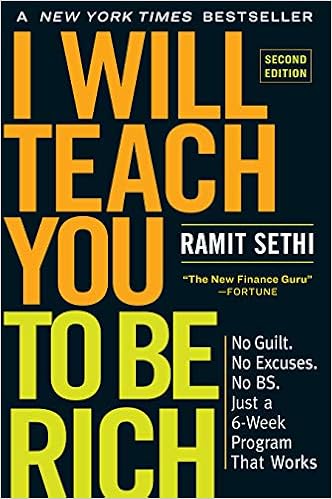

 Investing is one of the most important parts of personal finance, and The Simple Path to Wealth is the best book I’ve come across on the topic.





 The older I got, the more I realized just how much of a psychological component there is to money. The fact is that we don’t always make rational decisions with our money. Instead, we make decisions with our emotions. And our backgrounds are a major factor that help shape our emotions around money.
 If you follow personal finance creators on social media, then you’ve probably heard of Tori Dunlap. She frequently goes viral on Instagram and TikTok for her personal finance content on her platform, Her First $100K.

